Pages

Tuesday, December 20, 2011

Mobile Eye Clinic Newsletter #8

Cataract Fighting Team Wins Prize

Adelaide based Calpain Therapeutics has won the annual Enterprize business plan contest run by Queensland Business School. Their pitch was to develop a drug to delay cataract growth by targeting a particular protein in the eye's tissue thought to cause clouding of the eye's lens. The company is very grateful for the money which will be used to fund human lens experiments, vital in understanding more about cataracts.


Aspirin may cause AMD

European Eye Study researchers suspect that frequent aspirin use can make Age-related Macular degeneration more likely. According to an analysis of 4691 subjects 65 years or older, participants who used aspirin daily had an increased occurrence of AMD. However, the study was not conclusive as it was unknown the dosage of each aspirin taken, and the possibility that subjects may have started taking aspirin after experiencing visual problems.


Tiny robot to give treatment to DR sufferers.A new technology has allowed optometrists to consider implanting a sort of robot in a Diabetic Retinpathy sufferer. The primary purpose would be for it to release a dosage of docetaxel into the back of the eye. With no batteries and powered by a magnetic field, it can last for more than 35 days without any leakage or problems. Testing is still underway.

Wednesday, October 5, 2011

Mobile Eye Clinic Newsletter #7

How often do residents' eyes need to be tested?

It is our policy each patient is to be examined by the optometrist according to individual need, i.e., the examination to be as comprehensive or brief as is called for based on the presenting problem. The optometrist based on the nature of the patient’s condition also determines follow-up visits for various conditions. The following general guidelines, by diagnosis, may appropriately be applied when deciding how often to see a patient for a particular clinical problem.

1. GLAUCOMA -- 3-4 months (lOP, direct ophthalmoscopy, and visual field test)
2. CATARACTS -- 6-12 months (requires slit lamp exam & IOP)
3. APHAKIA -- once a year
4. PSEUDOAPHAKIA with capsular haze -- 6 months-once a year
5. MACULAR DEGENERATION -- 4-6 months, except for end stage
6. RETINOPATHY
-- Diabetic, background -- 3-6 months
-- Diabetic, proliferative -- 3 months
-- Hypertensive -- 6 months, variable if severe
-- Arterial or Venous Occlusion -- 3 months
-- At macula -- 3 months
7. DRY EYE SYNDROME -- Determined by severity & complications.
8. ACUTE PROBLEMS (conjunctivitis, iritis, blepharitis, episcleritis, chalazion, trichiasis, hordeolum, etc.) -- variable and as needed
9. NUMEROUS OTHER RETINAL/OCULAR PATHOLOGY – as needed according to standards of care

These guidelines are general in nature and do not address any specific patient condition/situation. The judgment and actions of the treating optometrist are held to be expert and appropriate so long as they are justified by complete documentation on the patient clinical record. Optometrists recommend certain procedures to remedy the eye problems, or refer the patient out for surgical evaluation or consult from other specialists such as ophthalmologists and patient’general practitioner, etc. It is the facility staff’s responsibility to carry through with optometrists’ recommendation for proper care of the patient.


Oranges Help Retinal Function

A study has shown that regular Vitamin C intake can prolong proper retinal function. It has found that cells in the eye need to be cleansed with Vitamin C inside and out to maintain proper function. This find could help with those prone to Glaucoma as it has shown that a diet with much Vitamin C could be protective against the disease. Read the full story at:
http://www.sightnation.com/news/orange-day-keeps-retinas-ok


Diabetics more likely to develop Glaucoma

A study in the US has concluded that people with diabetes are 35 percent more likely to develop open angled Glaucoma. The research team focused on metabolic syndromes to see how they would affect the likelihood of developing Glaucoma. The study also found however, that people with Hyperlipidemia were 5 percent less likely to suffer from Glaucoma in their lifetime. Read more about this at:
http://www.sightnation.com/news/raised-glaucoma-risk-those-diabetes-and-hypertension


Retina Imaging can reveal Alzheimer's

Retina imaging can aid in the early detection of Alzheimer's disease, a study from Australia has shown. The researchers found that the width of the retinal blood cells was significantly different between people with Alzheimer's and people without. This correlated with the build up of amyloid plaques in the brain, an indicator of Alzheimer's. The researcher hope that in the future a simple eye test can check for Alzheimer's without much hassle as before. More about this at: http://www.revoptom.com/content/c/29664/

Wednesday, September 14, 2011

Mobile Eye Clinic Newsletter #6

Allergies in Australia
Australia and New Zealand have the highest prevalence of Seasonal Allergic Conjunctivitis in the developed world. It causes itching eyes, and minimises the quality of life for sufferers. While
there is no known cure for this condition, the first step to comfort is
knowing what is causing the reaction. With this, it becomes easier for the patient to protect themselves from allergens. Many recommend wearing sunglasses to protect the eyes from the dusty wind.
For more information view

Glaucoma Home Test
An experimental home trial kit that can help Glaucoma sufferers check their intraocular pressure regularly is being trialled at Duke University USA. The aim is to improve the management of the disease, as regular testing can show if the disease is progressing or not, and whether more treatment is needed.

Simple Home Changes Assist Seniors Vision
Simple home improvements including continuous lighting, flourescant markers on stairs, and brightly painted cupboards and other fixtures, are very useful to seniors with low vision living in their homes. These changes can greatly increase the safety and convenience of their day to day activities in the house.
Read more about this on

New Transition SOLFX Lenses Help Seniors See Better
Many seniors wear full filter glasses to protect their ageing eyes against the sun, however, aged eyes are suspectible to even the medium to low levels of UV rays, where full filter glasses are too dark to use. The new SOLFX transition glasses can be worn in any occasion, and transition accordingly with the amount of UV rays, so you can always be eyes are always protected, but you can also always see clearly.

Friday, August 26, 2011

Mobile Eye Clinic Newsletter #5

Optometrists and Ophthalmologists: What is the difference?


Optometrists conduct eye and vision examinations, prescribe spectacles and contact lenses, and carry out treatment for eye disorders, diseases and injuries. They also give out visual appliances, such as glasses and contact lenses. For most eye problems, you would see an optometrist.

Ophthalmologists specialize in the treatment of eye diseases and surgery. For serious eye problems, an optometrist may refer you to an ophthalmologist who is qualified to perform major eye surgery and prescribe advanced treatment for serious eye diseases.


UV Burns Eyes

Most people know that ultraviolet (UV) rays damage skin. In fact, UV rays are even more damaging to eyes. Accumulated UV exposure can lead to cataracts, macular degeneration and pterygium (a fleshy growth on the cornea).

The best way of protecting your eyes is by wearing appropriate sunglasses and limiting your exposure between 10am and 4pm when the sun’s effects are the strongest. Although some contact lenses provide some UV protection, best is to wear wrap-around sunglasses that screen more than 95 percent of both UVA and UVB light, or those labeled as Category 2, 3, or 4. Also, be sure to have your eyes checked regularly; the earlier UV-related conditions are detected, the better the chance of treatment.


Centre for Eye Health

The Centre for Eye Health, located on UNSW campus, exists to detect, investigate, and monitor eye disease at no charge to referred patients. With over 20 state-of-the-art instruments, it is a vital resource for all eye-care practitioners.

For more information see cfeh.com.au


Vitality Health Services

Vitality Health Services is a rehabilitation network that specializes in mobile Physiotherapy, Occupational Therapy, and Allied Health treatment for individuals, businesses, and sports clubs in Sydney. Vitality Health Services is currently treating patients suffering from a range of chronic conditions such as arthritis osteoporosis, injuries, fractures, diabetes, and many more. They conduct comprehensive sessions where they prescribe mobility aids and self-management strategies aimed at improving the independence of those with mobility problems. Vitality Health Services work in both in private and public rehabilitation hospitals and also assisted care facilities. In addition to mobile services, they also have a rehabilitation gym in Naremburn.

For more information see www.vitalityrehab.com

Mobile Eye Clinic Newsletter #4

Transition Lenses

Transition Optical was the first company to successfully commercialise a plastic photochromic lens (a type of transition lens) in 1990 and is now a world leader in photochromic lenses.


What is a photochromic lens?

Photochromic lenses change colour in response to a chemical reaction triggered by UV rays. If you are wearing photochromic lenses, they will darken when they come into contact with sunlight and fade back into their original colour when you move out of the sun.

What are photochromic lenses made of?

Photochromic lenses can be made from two types of material: glass or plastic. Although glass lenses are scratch resistant, they are heavier and breakable. Plastic lenses, on the other hand, are impact resistant, light-weight, and better at filtering UV rays so they are much more popular.

What different types of transition lenses are available?

  • Transition VI: perfect for everyday wear, Transition VI are clear indoors and quickly change from dark to light and light to dark

  • Transition XTRActive Lenses: Transition XTRActive have a slight tint indoors, and provide extra darkness at all temperatures

  • Transition SOLFX: Transition SOLFX are polarised sunwear specifically designed for outdoor activities; they adjust from dark to darker, depending on light (mivision iss. 52).


  • Research on Glaucoma Gene

    A recent study, involving eye-tests of over 2,000 Australians, has helped to identify people at high risk of developing glaucoma. Thanks to the research conducted by deCODE genetics Inc, Iceland and Dr. Jamie Craig from Flinders University, South Australia, scientists have been able to identify genes contributing to risk for glaucoma. The findings represent an important step toward a better understanding of glaucoma and will likely lead to better diagnostic and predictive tests, as well as new treatments (mivision iss. 52).


    Alcohol and Cataracts

    A Sydney study has found that moderate consumption of alcohol may be associated with a reduced need for cataract surgery. The long-term study found that subjects who drank two or more alcoholic drinks a day, as well as those who did not drink at all, showed a higher incidence of cataract surgery than those who drank one or two alcoholic drinks a day (mivision iss. 52).


    Cataract Surgery Rebate

    The Australian senate passed a motion in November 2009 to disallow Medicare rebates for cataract surgery items. No longer can patients receive rebates for having cataract surgery.

    Mobile Eye Clinic Newsletter #3


    Helping Eyes through Allergies

    Do you have watery, red, itchy eyes that are sometimes swollen, sore or stinging? If this sounds like a description of you, chances are that you have allergic conjunctivitis, one of the most common forms of eye disease in the world.

    Symptoms

    People suffering from allergic conjunctivitis, or ‘Allergy Eyes’ will often:

    • Have itching in both eyes, with stringy, ropy discharge

    • Have a personal or family history of other allergic disorders such as asthma, hayfever, or eczema

    • Notice a cyclical nature to their symptoms


    Types

    Allergic conjunctivitis can be:

    • Perennial: occurring all year round in response to household allergens such as dust, mould, or animal hair

    • Seasonal: occurring during spring or early summer in response to pollens


    Treatment

    1. Avoid allergens

    • Vacuum regularly

    • Avoid outdoor activities such as mowing the lawn

    • Keep pets outside


    2. Soothe irritated eyes

    • Wash them in saline

    • Apply a cold compress


    3. Use Medication

    • You can use antihistamines, decongestants, or anti-inflammatory agents

    • Ask your doctor of pharmacist to recommend appropriate eye drops


    Although allergic conjunctivitis does not usually have any long-term impact on sight, it is helpful to receive treatment so do not hesitate to ask your optometrist for advice.


    Navigating the Visual Field Test

    Visual Field Tests allow optometrists to test patient’s overall vision and check if they have eye diseases such as glaucoma. Optometrists use a machine to test a patient’s visual field.

    Visual Field: The total area a person can see when looking straight ahead, including side (or peripheral) vision.

    Procedure

    1. Patient looks at the central target while lights are presented in different parts of their side vision.

    2. By pressing a button patients indicate when a light is seen.

    3. The computer collects patients’ responses and creates a graphical plot of their visual field.

    4. Visual fields tests are particularly important for those with family histories of glaucoma, diabetes, or those who have brain injuries.


    How to use Eye Drops

    Although eye drops are often used to treat eyes, they can be difficult to use correctly. Here are some tips on how to use them.

    1. Turn your head towards the ceiling by standing or sitting and tilting head backwards

    2. Gently pull the skin of the lower eyelid with index finger to create a ‘pocket’ for the drop

    3. Look up and release eye drops into the eye pocket ensuring that the bottle does not touch any part of the eye

    4. Close your eye and gently press on the lower inside corner of the eye for about two minutes to ensure the drops do not go into your tear duct (use thumb and index finger for both eyes at once)

    5. Gently blot closed eyes with a tissue to wipe away any excess drops


    Thursday, August 25, 2011

    Mobile Eye Clinic Newsletter #2

    Vision and Depression


    Since sight is arguably our most important sense, it is no surprise that many people experience low moods when faced with vision loss. When these low moods become intense and persist for long periods of time, this may signify clinical depression. In fact, an estimated one third of older visually impaired adults show clinically significant depressive symptoms.


    For the vision impaired who suffer from depression, low vision rehabilitation can help them adjust to their circumstances. Research shows that rehabilitation services lead to improvements in quality of life, self esteem, and adjustment to vision loss.


    Despite the effectiveness of rehabilitation, one study found that only 20 percent of visually impaired patients with depression are receiving treatment. Often, patients feel uncertain about asking for physiological therapy.


    To address this issue, the National Health and Medical Research Council (NHMRC) has awarded the Centre for Eye Research Australia (CERA) with a grant to train eye practitioners in how to manage depression. The hope is that eye practitioners can eliminate unnecessary depression by linking patients with much-needed treatment.


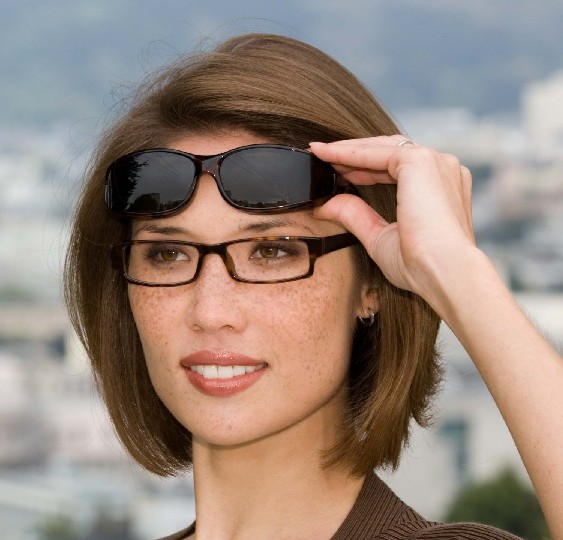
    Introducing Fitover Sunglasses

    Mobile Eye Clinic now stocks Fitover sunglasses that can be worn over glasses. Complete wrap styling provides maximum UV protection from any angle.


    Wednesday, August 24, 2011

    Mobile Eye Clinic Newsletter #1

    Fall prevention
    Poor vision can result in falls, one of the main reasons for admissions into hospital for over-75s. Here are a few ways you can protect yourself from falls:


    • Avoid clutter on your floors and ensure adequate lighting


    • Be aware of your eye health and notice changes, and talk about these changes with family and friends


    • Have your eyes examined regularly by an optometrist so that they can detect problems early.


    If you think you have a problem, consult an optometrist immediately so that they can detect, diagnose, and manage/treat your eye problems, and update your lenses (Optometrists Association Australia 2009)


    Macular Degeneration


    The macula is the central part of the retina, at the back of the eye, that allows you to read, recognise faces, watch television, and drive a car. Macular degeneration (MD) happens when this part of the eye breaks down. MD affects one in seven people over the age of 50, and one in three over the age of 75. Early detection of MD is crucial, as lost vision cannot be regained.


    Symptoms of MD include difficulty reading, seeing straight lines as bent, poor central vision, poor night vision, and intolerance of glare. Although there is no cure for MD, there are treatment options that can slow down its progression. The earlier the disease is detected, the more vision you are likely to retain, so please ensure you have your eyes examined regularly, even before symptoms appear. (Optometrists Association Australia 2005)


    WebLens product


    Nikon’s new WebLens is a specially designed reading lens for people who need to focus on a wide range of distances at the same time. With its innovative design, the WebLens allows you to read documents, computer keyboards, computer screens, and blackboards without strain.